If you roof houses in Winnipeg long enough, you develop an intimate relationship with cold. Not polite cold that stings your cheeks, but the kind that tests every crack in your building envelope and finds the weak spots in a hurry. The roof takes the brunt of it. It sheds snow, hosts icicles, contends with wind, and does all of that while trying to keep heat in and moisture out. Energy efficiency up there is not a luxury, it’s a survival skill wrapped in shingles.
Homes here see long, deep winters and a short, bright summer that can still get surprisingly hot. That swing makes Winnipeg a quirky case for roofing strategy. You design for January, then surprise yourself by appreciating the roof’s July manners. If you want to keep heating bills in check, avoid ice dams, and help your air conditioner take a vacation, it pays to choose your roof as if your house were a system, not just a surface.
What “energy efficient” really means on a roof
Energy efficiency on a roof is part physics, part craftsmanship. Three levers matter most.
First, control heat flow. In winter, heat wants to escape through the top of your building. Insulation slows it, but air leaks shoot right past fiber and foam. Air sealing around penetrations, light fixtures, the attic hatch, and top plates matters as much as R-value. Second, manage solar gain. In summer, the roof bakes. Reflective materials and vents keep the attic from turning into a kiln. Third, manage moisture. Warm indoor air carries water vapor, which tries to condense on cold surfaces. That is how frost blooms on nails and mold gets a foothold. A roof that breathes well, in the right places, stays drier, which means more durable insulation and better performance.

If those three rules sit under your choices, you’ll make a roof that owns the seasons instead of suffering through them.
A quick portrait of Winnipeg’s climate realities
January averages hover well below freezing, but the real roof test is the volatility. A thaw, a refreeze, a little wind that makes snow drift into odd corners, and suddenly you have ice dams and wet soffits. Snow loads vary by storm, yet even a modest accumulation is heavy. Sun angles are low in winter, and the city sits under snow cover for months, which makes the ground a giant reflector. In summer, the sun is high and harsh. Hail and straight-line winds show up when invited by a thunderstorm. So the roof you pick has to be strong on three fronts: it must handle snow and ice, manage summer heat, and take a beating from weather.
Shingle, metal, membrane, or green: what to put on top
There is no single perfect roof for every Winnipeg home. You match materials to pitch, budget, aesthetics, and appetite for maintenance. Here’s how the popular choices stack up on energy performance, winter behavior, and practicality.
Architectural asphalt shingles with cool pigments
The workhorse of suburbia is better than it used to be. Cool-color technology that was once reserved for commercial roofs has made its way into residential shingles. That means pigments that reflect more of the sun’s infrared even in medium or darker tones. In mid-summer, cool asphalt can keep the shingle surface 5 to 10 degrees Celsius cooler than conventional shingles. In winter, the effect on heating bills is modest because the low sun angle, shorter days, and snow cover reduce solar gain anyway. That’s a good trade in a city that has air conditioning loads, even if brief.
For energy performance to pay off, pair asphalt with high-quality underlayment and generous attic ventilation. Also mind impact resistance. If you are in a hail-prone pocket, look for UL 2218 Class 3 or 4 shingles. They cost more, but insurers sometimes reward them with lower premiums. Ask your carrier before you decide, then compare the price delta to the discount and the expected lifespan.
Standing seam and metal shingles
Metal sounds like a summer liability until you see the coatings. Factory-applied reflective finishes can deliver Solar Reflectance Index values in the 60 to 80 range. Translation: the roof bounces a big share of the sun’s heat and radiates the rest more effectively than asphalt. The attic runs cooler, which lowers the shoulder-season load on your AC and reduces heat soak into upstairs bedrooms.
In winter, metal earns its keep. Snow tends to shed faster, which reduces the time ice dams have to form. You still need solid air sealing and insulation to prevent warm roof decking, but the surface itself is a poor host for ice. Add snow guards above entries and walkways so shed snow does not surprise you. Watch for noise myths. Proper decking, underlayment, and attic insulation make metal no louder in rain or hail than a shingle roof. The bigger concern is expansion and contraction. Winnipeg’s temperature swings mean fasteners and seams must be detailed well. A standing seam panel installed by a crew that respects clip spacing and expansion paths will last decades with minimal fuss.
Synthetic and composite shingles
These products mimic slate or cedar and often bring higher impact ratings and good fire performance. Energy-wise, they behave like a hybrid of asphalt and metal. Some lines include reflective granules for better summer performance. The wildcard is brand quality and installer familiarity. If you go this route, verify the local crew’s experience and check how the product fares in freeze-thaw and UV. Ask to see a ten-year-old installation nearby.
Low-slope and flat roofs
If your house has a low-slope section, energy strategy shifts a little. A bright white membrane, such as TPO or PVC, can slash summer heat gain. In winter, snow cover does the same job. The assembly beneath the membrane decides the real efficiency. A compact roof with rigid insulation above the deck limits thermal bridges and keeps the deck warm, which can eliminate the need for large attic cavities and tricky venting. On older homes with vented low-slope roofs, getting ventilation balanced is hard. If you are reroofing, talk with your contractor and designer about converting to an unvented compact assembly with the right vapor control.
Green roofs
They work in Winnipeg, but not on a whim. An extensive green roof adds weight, demands careful waterproofing, and suits low-slope structures with real engineering behind them. The energy benefit is strongest in summer, thanks to evapotranspiration. In winter, you are relying on the soil and snow to add R-value, which they do, but the added complexity rarely pays off on a residential retrofit. If you’re building new and love the idea, involve the structural engineer early.
The energy math, without rose-colored glasses
Roofs can help your utility bill, but set the right expectations. Material choice alone, even switching from conventional asphalt to a high-reflective metal, might shave a few percent from annual energy use. The big wins usually come from the layers you don’t see: insulation, air sealing, and ventilation. In Winnipeg’s climate, bumping attic insulation from roughly R-40 to R-60 can be worth more than any shingle upgrade, especially if you pair it with serious air sealing. Think foam-sealed top plates, weatherstripped attic hatches, and airtight recessed light covers.
Cool roofing’s summer savings show up most in top-floor comfort and smaller AC cycles. The winter “penalty” of a reflective roof is usually small in our latitude because snow erases roof color for a chunk of the season, while the sun is weak and low when the roof is visible.
A realistic package for a detached home might look like this: air sealing plus attic insulation upgrade, a reflective roof covering with Class 3 or 4 hail rating, a high-perm underlayment with extended ice and water shielding at eaves, balanced soffit and ridge ventilation, sealed and insulated ducts kept out of the attic if possible, and right-sized exhaust fans that actually vent outdoors. That stack of decisions moves both energy and durability in the right direction.
Ice dams: the Winnipeg roofing rite of passage you can avoid
Ice dams happen when heat from the house warms the roof deck, melts the underside of the snow, and water runs down to the cold overhang where it refreezes. The dam grows, water backs up, and eventually finds a nail or a seam. The cure is the unglamorous combo of air sealing and insulation, not heat cables. Keep the roof deck uniformly cold above living spaces and the eaves just a touch colder, and the snow stays in place without melting from below.
On reroofs, extend a peel-and-stick ice and water shield from the eaves up the roof far enough to reach past the interior wall line. In practice, that is commonly 3 to 6 feet up the slope, depending on pitch and overhang depth. Valleys deserve full-length protection. Tie it neatly into your underlayment so water that finds its way beneath the shingles still exits at the edge.
Raised-heel trusses or site-built rafter extensions are another underappreciated upgrade. They create space for full-depth insulation above the exterior walls, which is where many attics pinch down to a sad wedge of fiberglass. If you can add even 75 to 100 millimeters of extra height at the eaves, the thermal bridge at the top plate weakens and the deck stays cooler.
Ventilation that helps rather than hurts
Attic ventilation is not a bandage for poor air sealing, but it makes a good roof better. The rule of thumb many codes use is 1 square foot of net free vent area per 300 square feet of attic floor when a proper vapor retarder exists at the ceiling. Without that, aim closer to 1 per 150. Balance matters. You want roughly half the vent area at the soffits and half at the ridge. A ridge vent by itself can starve if the soffits are blocked with insulation. Use baffles to preserve an air channel from the fascia up into the attic, and do not crush them with batts.
In winter, ventilation carries out moisture that sneaks past the ceiling plane and keeps the roof deck closer to outdoor temperature, which fights ice dams. In summer, it knocks down peak attic temps. Avoid mixing different high-point exhaust systems unless you have a plan. A powered attic fan can pull conditioned air from your house if the ceiling leaks, which is the opposite of efficient.
The color conversation in a snowy city
Color is a surprisingly emotional choice. Dark roofs look sharp on many houses, and there is a persistent belief that dark shingles help melt snow. They do, a little, in March when the sun angle finally rises and the roof peeks through. Earlier in winter, snow erases color. If you want summer comfort and a lower attic temperature, opting for a lighter color or a shingle line with cool pigments makes sense. If your heart wants charcoal, at least pick a product that offers higher reflectance within that palette. If you go metal, make use of the better coatings, even with deeper hues.
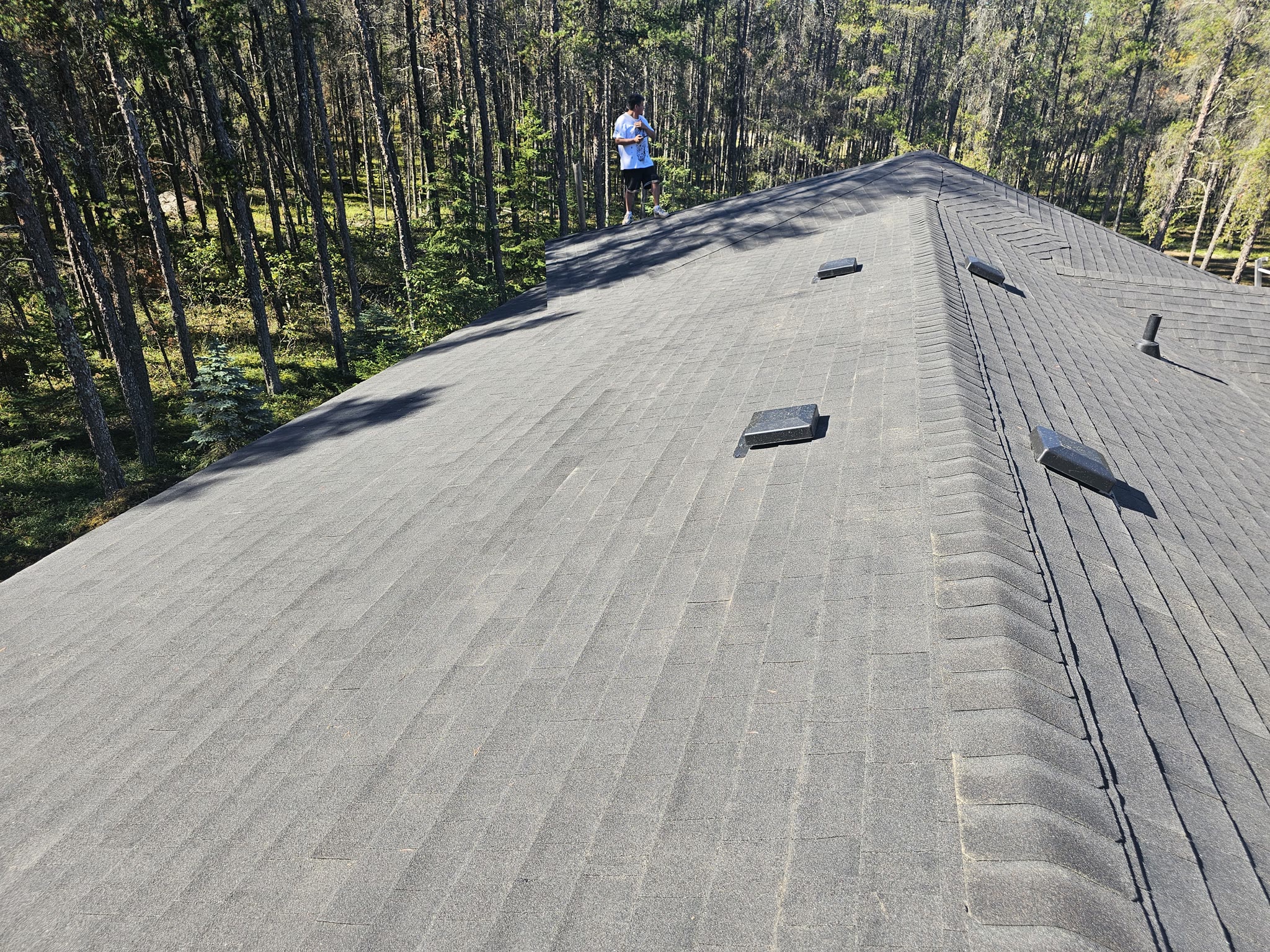
Underlayments and the quiet heroes of a good roof
Two details carry a lot of weight in Winnipeg. First, the ice and water shield at eaves, valleys, and around penetrations. Spend on quality here. The membrane must stick in cold, bridge small gaps, and stay bonded over time. Second, a synthetic underlayment over the rest of the deck that resists wrinkling and holds grip for the crew. Felt still Canadian Crafted Roofing And Renovations works, but modern synthetics behave better in freeze-thaw and under foot traffic.
Flashing details matter more than brand stickers. Step flash the sidewalls shingle by shingle. Kick out at the base of walls so water does not run behind the cladding. At chimneys, use a saddle if the chimney is wide, then counterflash properly. If your roofer skimps here, your energy upgrades will be babysitting leaks.
Insulation and air sealing: where the real savings hide
Think of your attic like a puffy jacket that only works if the zipper closes. The jacket is the insulation. The zipper is the air barrier. Winnipeg attics often start with R-30 to R-40 in older homes. Upgrading to R-50 or R-60 using blown cellulose or loose-fill fiberglass is a straightforward job. Before you blow anything, hunt down the leaks. Seal the tops of interior partitions, caulk or foam around plumbing stacks, and gasket the attic hatch. If you have can lights penetrating the ceiling, either replace them with IC-rated airtight models or build sealed boxes over them, then bury in insulation per manufacturer guidance.
A continuous interior vapor retarder helps in this climate, but it does not replace air sealing. Six-mil polyethylene behind the drywall is common in older builds. On retrofits, focus on making the drywall ceiling itself the air barrier with caulk, foam, and gaskets. In bathrooms and kitchens, duct your exhaust fans outdoors with smooth-walled pipe, not into the soffit or attic. Oversights here can dump buckets of water vapor into a cold space, which turns to frost and then to water on the next thaw.
Costs, lifespans, and paybacks you can count on
High-reflective shingles or a light-colored metal roof might cost a few hundred to a few thousand dollars more than baseline products on a typical detached home. Metal often runs two to three times the installed cost of 30-year architectural shingles, but it brings 40 to 60 years of service life if installed well. Asphalt often lasts 20 to 30 years in our climate, less if sun and hail are unkind.
Energy savings alone rarely justify a premium material. Think of the ROI as a bundle: modest energy savings, fewer ice dam headaches, better summer comfort, potentially lower insurance premiums with impact-rated products, and longer replacement cycles. When I run rough math for clients, the attic insulation and air sealing line item usually pays back first, often within a handful of winters. The roof covering’s energy contribution is more about comfort and peak-load reduction, with payback spread across decades.
Manitoba utilities and provincial programs sometimes offer incentives for insulation, air sealing, or efficient mechanicals. The details change. Check current offerings before you sign a contract, then line up the scope so your project qualifies. A quick call or website check can be worth real money.
Solar on Winnipeg roofs
Solar works here, snow and all. Annual production accounts for winter losses, and the long sunny days from April to September carry your totals. From an energy-efficiency standpoint, rooftop PV shades the roof and air gap beneath panels helps keep the deck cooler in summer. In winter, panels shed snow faster than shingles. If you plan to go solar later, tell your roofer now. They can upsize flashing at future penetrations, leave a tidy layout on ridges and hips, and use underlayments that play nicely with standoff mounts.
Solar shingles exist, but in our climate I prefer conventional modules on racking. They cool better, are easier to service, and do not turn your entire roof into an electrical system that a roofer has to tiptoe around.
Durability is efficiency
A roof that fails early wastes embodied energy and your budget. Choose products with Class A fire ratings. Ask for wind warranties in the 177 to 209 km/h range and make sure the crew follows the nail pattern and uses the correct nails for your sheathing. Impact ratings matter, but so does deck integrity. If your roofer finds soft OSB or punky boards, replace them. A rigid deck improves fastener hold and reduces the flutter that leads to leaks.
A brief comparison for typical Winnipeg homes
- Architectural asphalt with cool pigments: affordable, widely available, moderate summer benefit, relies heavily on assembly quality for winter performance. Choose Class 3 or 4 if hail is common. Standing seam metal with reflective coating: strong summer performance, excellent snow shed, long life, higher first cost, requires experienced installer. Add snow guards at strategic spots. Synthetic slate or shake: impact resistant options, variable reflectance, lighter than real slate, check brand track record and local installer expertise. Low-slope white membrane over compact insulation: best for additions and modern designs, strong summer benefit, winter relies on insulation thickness more than color, detailing is everything. Green roof on low-slope: niche choice, summer comfort and stormwater benefit, structural and waterproofing complexity, less winter energy impact on a house.
The right details for your house, not your neighbor’s
Roofs are local. A North Kildonan bungalow from the 60s needs different moves than a riverfront custom build from five years ago. If your attic houses ductwork or a furnace, your priorities shift toward moving that equipment indoors or burying ducts in insulation. If you have a vaulted ceiling with no attic, you may be choosing between a vented assembly with baffles and an unvented assembly with rigid insulation over the deck. Neither is wrong; the right one depends on your rafters, soffit depth, and budget.
If you live under large trees, your cool roof’s reflectance will degrade faster unless you keep it clean. If your lot is wind-exposed, choose a shingle with a strong adhesive strip and verify the fastener schedule. If your home bakes in the sun, a reflective surface is worth more. Local judgment beats generic advice every time.
How to hire for a Winnipeg roofing project that actually saves energy
- Ask the contractor to include air sealing and attic insulation work in the roofing scope or coordinate with a trusted insulation subcontractor. One without the other is half a job. Request photos or site visits of at least two local projects that are five or more years old, ideally ones with similar roof pitch and features. Verify impact and wind ratings on the exact product line, not the brand family, and confirm installation details that the warranty depends on. Get a ventilation plan in writing that shows net free area and how intake and exhaust will be balanced, plus how soffit baffles will be protected from insulation. Make code and best-practice details explicit: ice and water shield extending past the interior wall line at eaves, fully flashed penetrations, kick-out flashing at siding transitions, sealed attic hatch, and bath fans vented to the exterior.
A small case study from a chilly block
A one-and-a-half-story home off St. Mary’s had chronic ice dams over the front porch. Every March, water stained the ceiling despite two rounds of roof replacement over twenty years. The fix was not magic. We air sealed the kneewall area by sheathing the backs of the short walls, then dense-packed the sloped ceilings with cellulose to achieve around R-45 where space allowed. At the eaves, we installed tall baffles to keep a real air channel above the insulation and extended the ice and water shield 6 feet up the slope. We swapped in a light gray Class 4 asphalt shingle line with cool granules. The ridge vent had been starving because the old soffits were sealed by insulation; we opened them and added continuous intake. The next two winters, even with decent snow, the porch stayed dry. The homeowner’s gas bills dropped, though the bigger win was a quieter, more comfortable upstairs.
Where Winnipeg roofing meets common sense
If you take nothing else away, take this. Energy-efficient roofing in Winnipeg is not a single product choice. It is a stack of decisions, most of them invisible when you stand at the curb. The surface matters, especially for summer comfort and hail resilience, but the assembly below it determines whether your roof is a partner or a pain every February.
Build a cold, dry roof deck over a tight, well-insulated ceiling. Choose materials that can shrug off sun, ice, and hail. Vent the attic so it can exhale moisture without stealing your heated air. Detail flashings as if water has all day to look for a shortcut, because it does. Hire a crew that treats the project as a system, not a pile of shingles. Do that, and your roof will move from a weather chore to a quiet asset that earns its keep year after year. And when the forecast swings from a deep freeze to an early thaw, you can watch the icicles form on someone else’s eaves.
Canadian Crafted Roofing And Renovations
314 Bond St, Winnipeg, MB R2C 1X5
+12042217663
https://cancrafted.ca/
Facebook